Rethinking the Way We Live
For a long time, we've associated a better quality of life with having more space. Bigger houses, more rooms, more square metres.
But what if the question wasn't how much space we have, but how we use it?
At Caos, we believe a home shouldn't be defined simply by its size, but by how it allows us to live and experience everyday life.
This idea shapes our approach to modular architecture: designing spaces where every square metre has a purpose.
It's Not About Having Less, but Making Better Use of Space
A home needs to accommodate many aspects of everyday life: resting, cooking, working, spending time with others or finding a moment to ourselves.
But we don't all need the same spaces, or use them in the same way.
That's why, before thinking about square metres, we prefer to think about how a space functions. How we move through it, which activities we share, where we need privacy and what we really need to live comfortably.
A well-designed space isn't necessarily the largest. It's one that meets those needs without adding unnecessary floor area.
Compact by design, not by compromise.
A Home Extends Beyond Its Walls
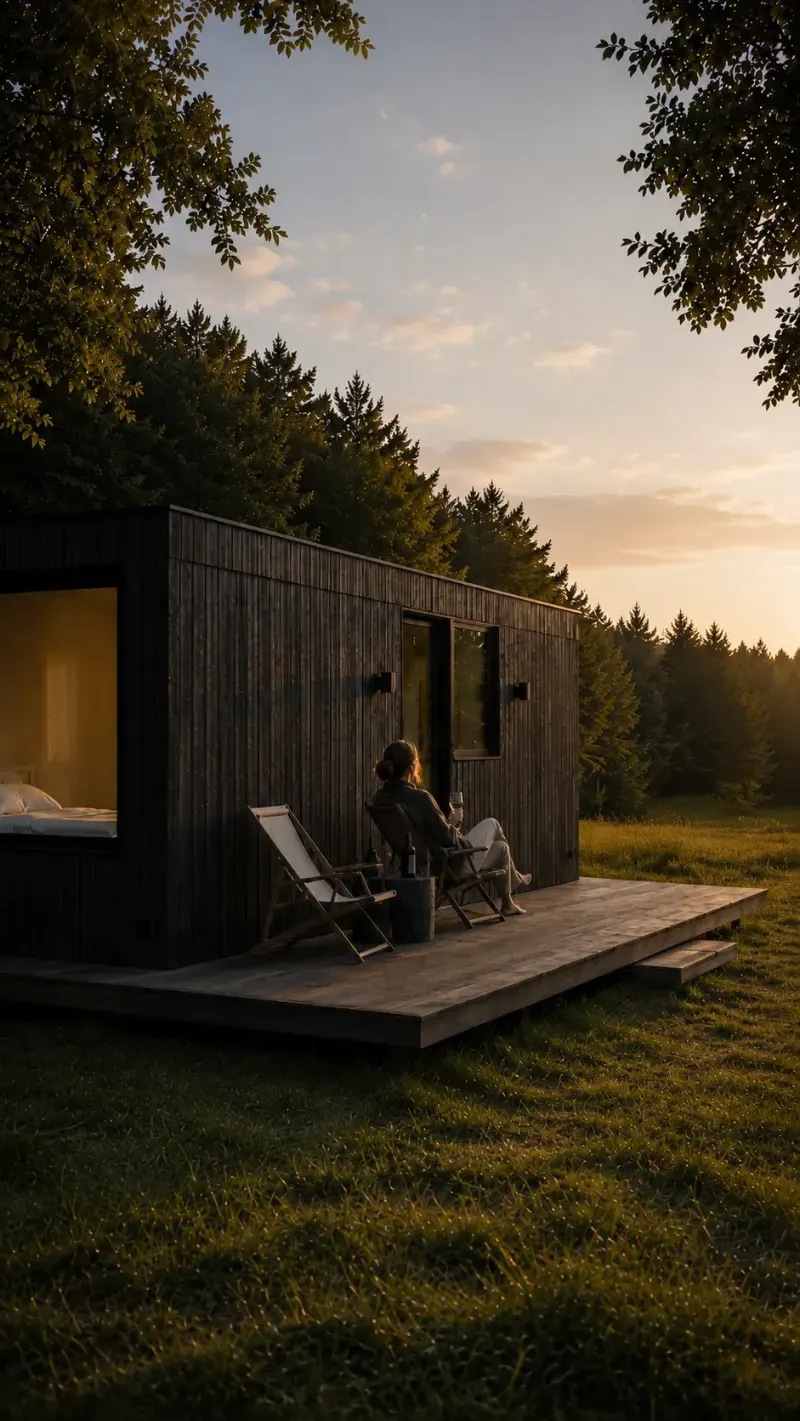
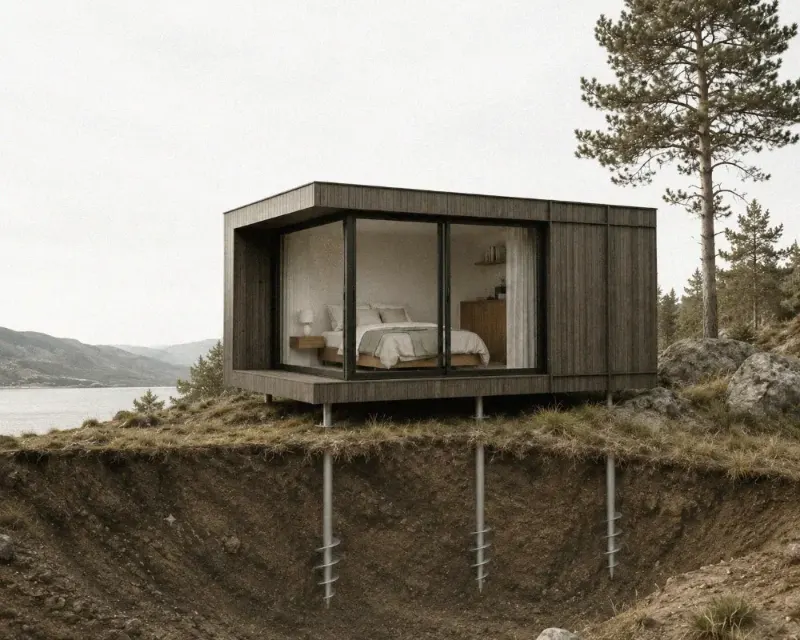
One of the things that most influences how we experience a space is its connection to the outdoors.
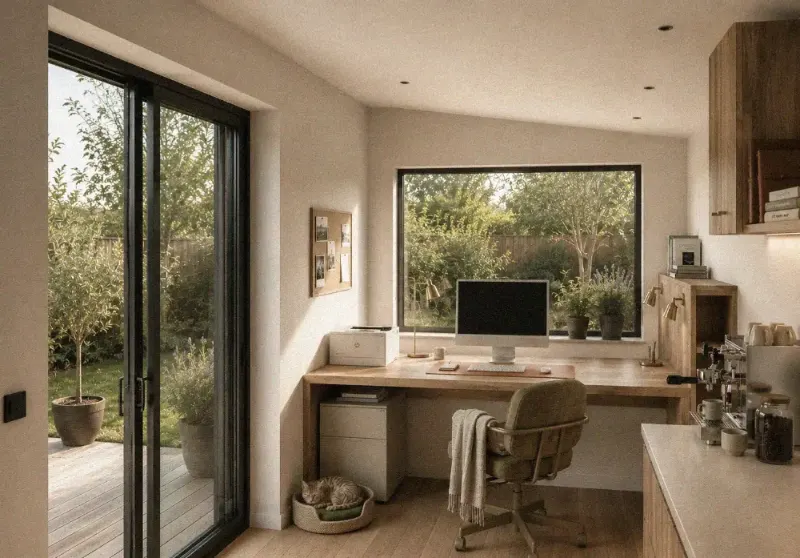
Natural light, views and the possibility of opening a room to its surroundings can make even a compact interior feel more spacious.
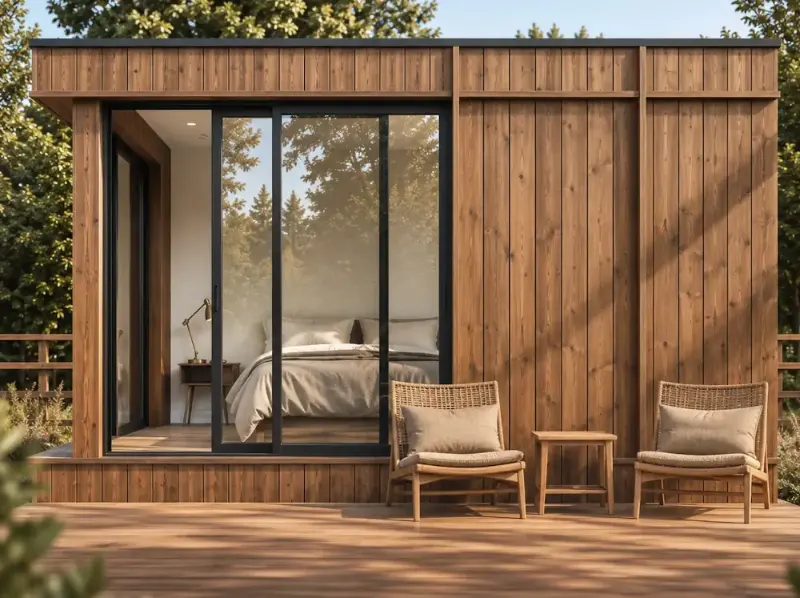
A thoughtfully positioned window does more than bring in light. It frames the landscape, reveals the changing seasons and creates a connection between inside and outside.
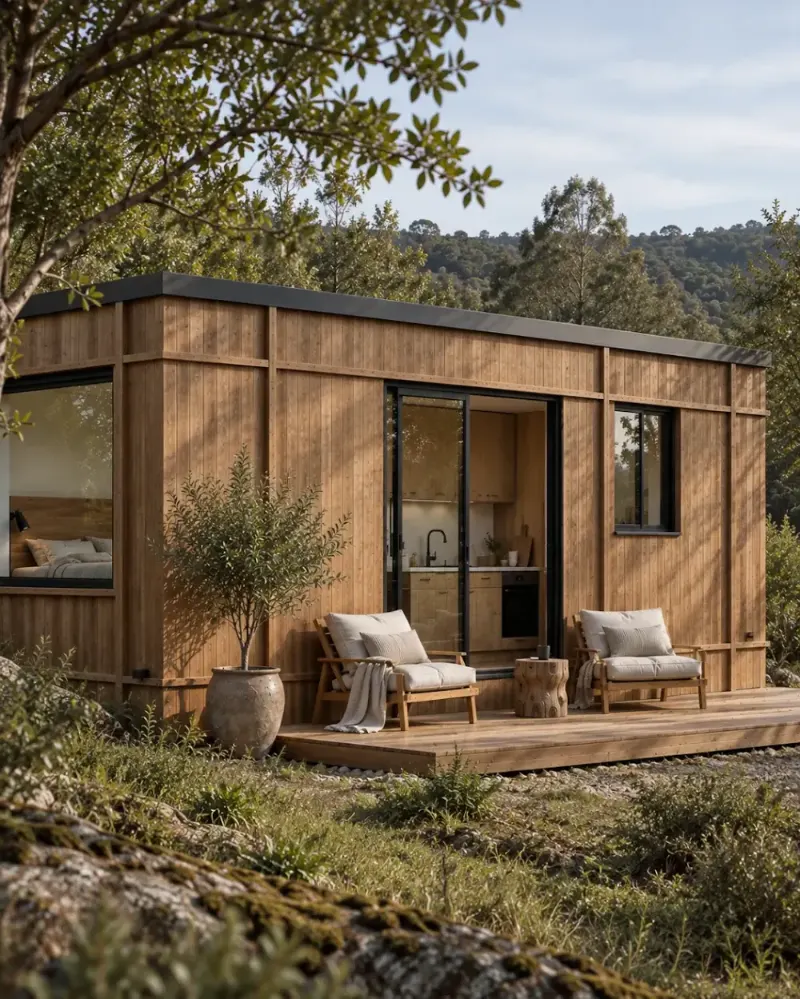
The same is true of a deck, a garden or a small transitional space between the home and its surroundings.
It's not about replacing indoor space with outdoor space, but understanding how the two can complement each other.
Because the way we experience a space is also shaped by what surrounds it.
An Idea with a Long History
This way of thinking is nothing new. Throughout history, architects and thinkers have explored how to create spaces that focus on what truly matters, without relying on generous floor areas.
Henry David Thoreau built a small cabin beside Walden Pond to experiment with a simpler way of living and reflect on what he truly needed.
Decades later, Le Corbusier designed Le Cabanon, a retreat measuring just 3.66 × 3.66 metres overlooking the Mediterranean, where every element served a purpose and proportions were carefully considered.
Japanese architecture has also explored the relationship between space, emptiness and surroundings for centuries. Concepts such as ma, which recognises the importance of intervals and the space between things, remind us that the quality of a place depends not only on what it contains, but also on how it is arranged and experienced.
Different periods and cultures, but a shared idea: good design can offer more than additional square metres.
Modularity as a Design Philosophy
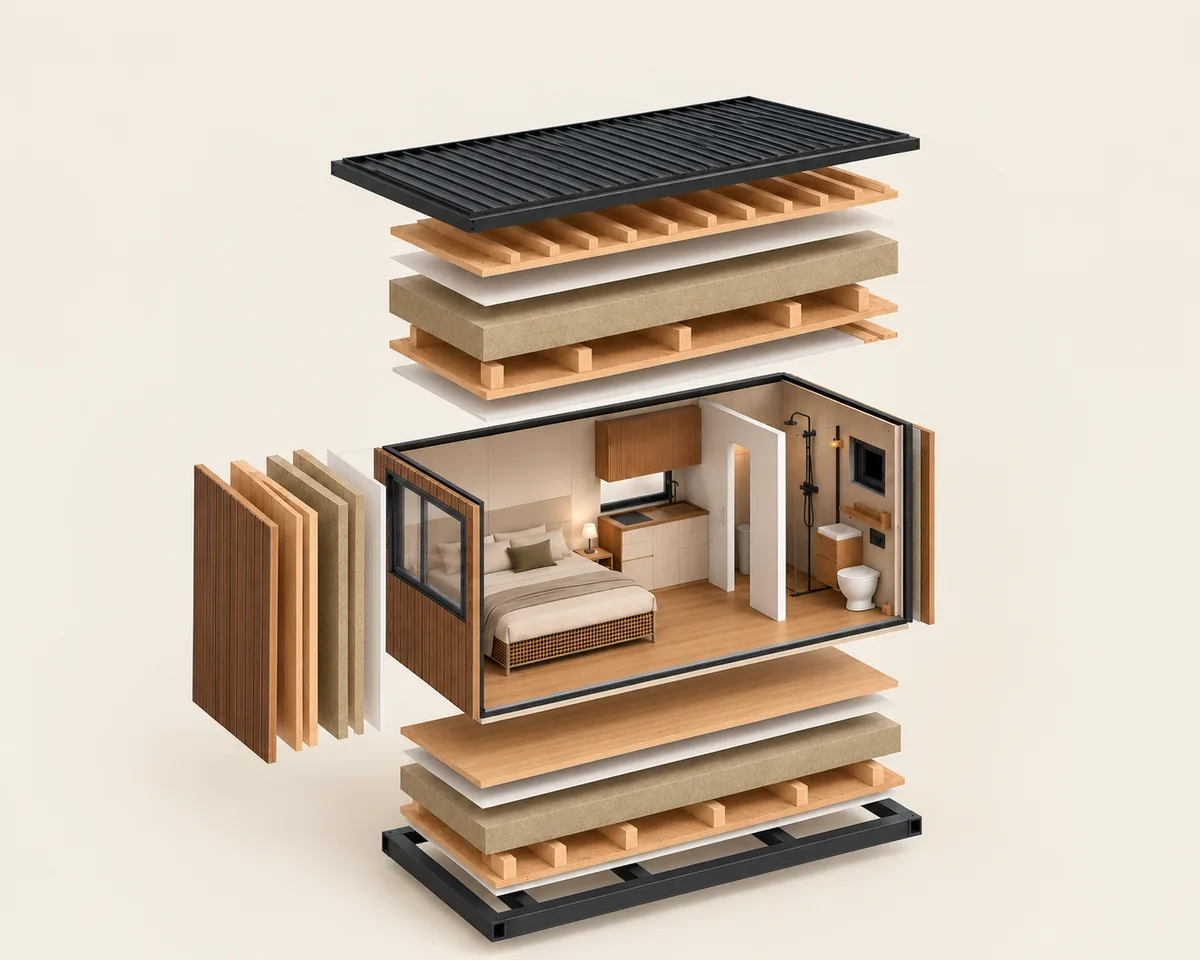
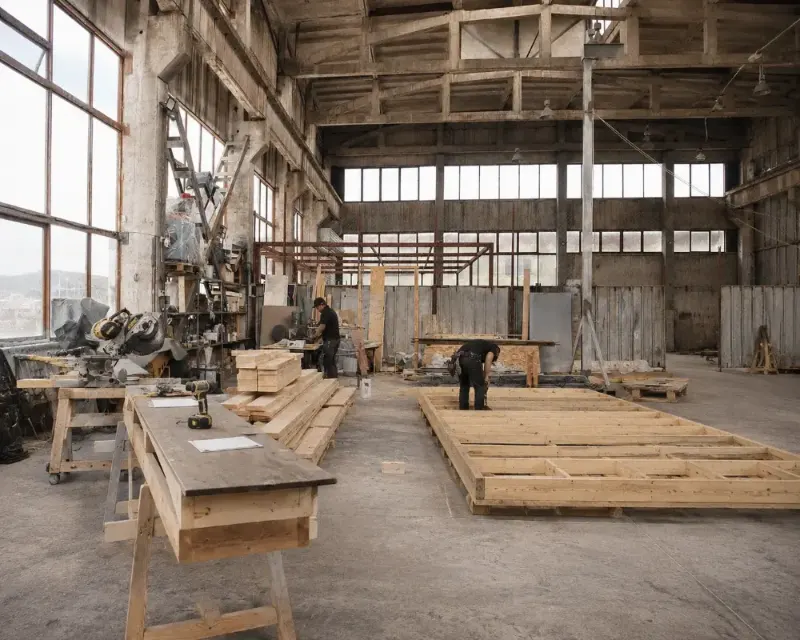
Modular construction is often associated with factory production, industrial processes or the possibility of combining different units.
But beyond the construction method, modularity also represents a way of approaching design.
Rather than developing every home from scratch, we can start with previously designed modules and layouts, where dimensions, materials and construction details form part of a coherent system.
This allows design and engineering efforts to focus on solutions that can be repeated and combined to respond to different needs.
From an independent guest room or a compact studio to a home made up of several modules.
It's not about everyone living in the same way, but about creating different possibilities within a carefully considered system.
Living Differently
For us, living differently doesn't mean living in fewer square metres, owning fewer things or following a particular lifestyle.
It means questioning some of the ideas we take for granted.
Thinking first about how we want to live, rather than how much we want to build. Giving importance to natural light, our surroundings and the way spaces function. Designing homes that respond to real needs without adding unnecessary complexity.
What matters isn't having the least. It's having what we truly need to live well.
Because a home isn't better simply because it's bigger or smaller. It's better when it's designed around the life that happens within it.