How to Develop a Holiday Accommodation Project with Modular Homes
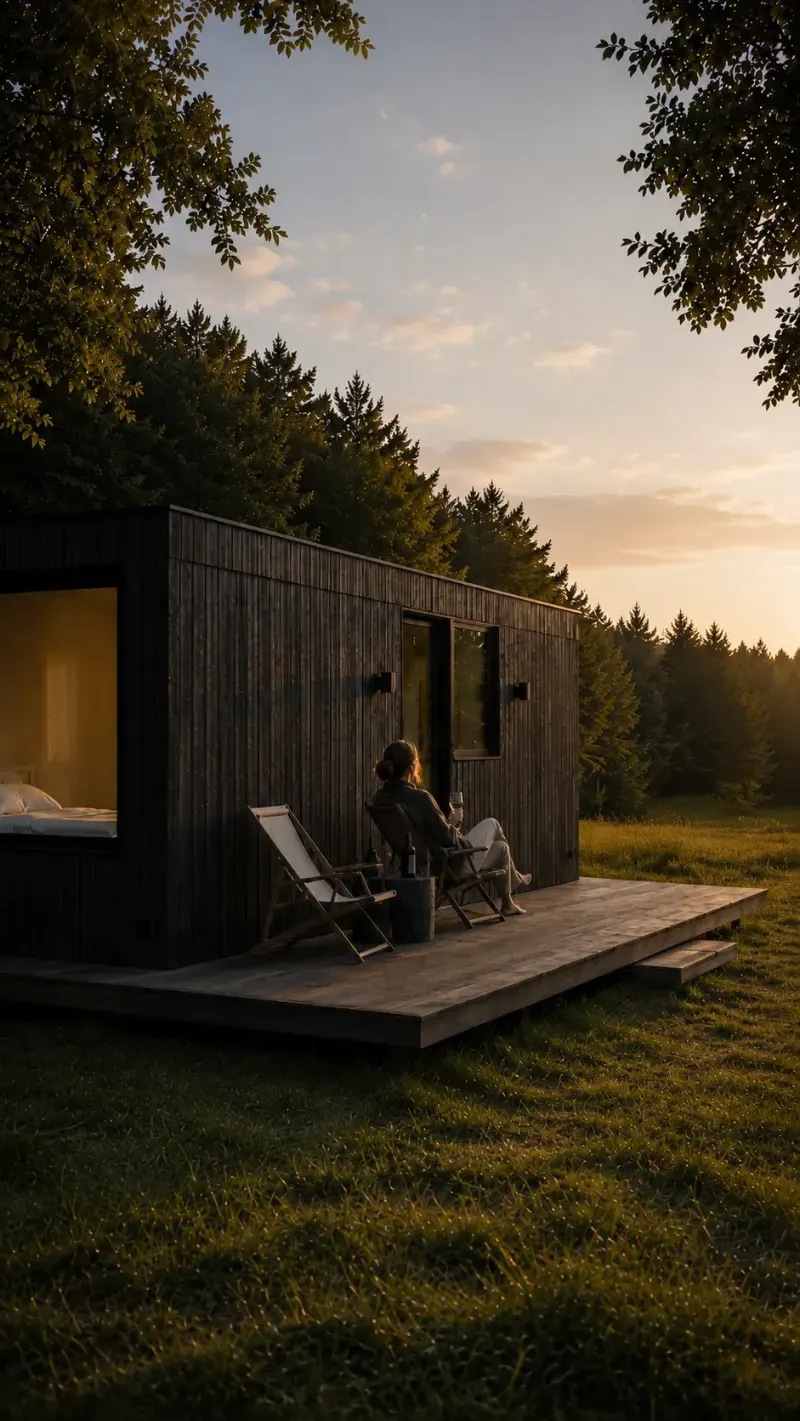
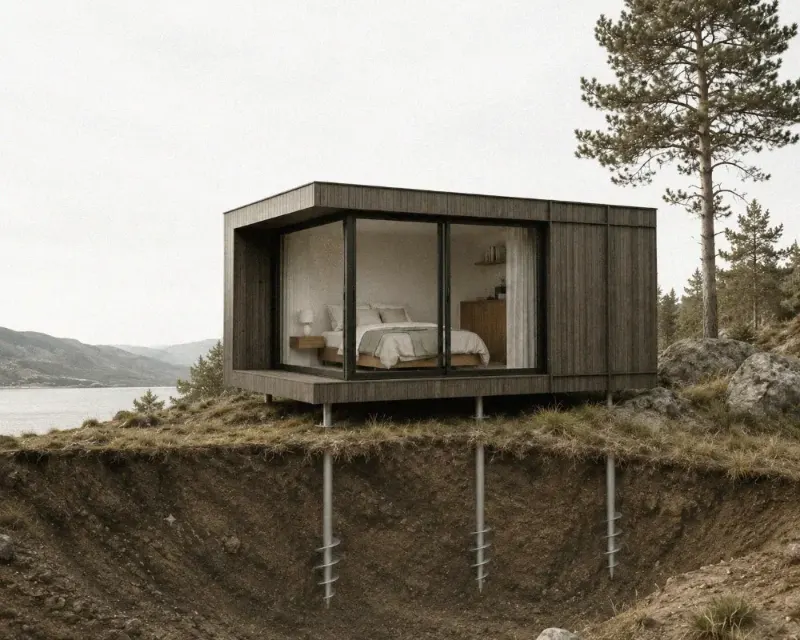
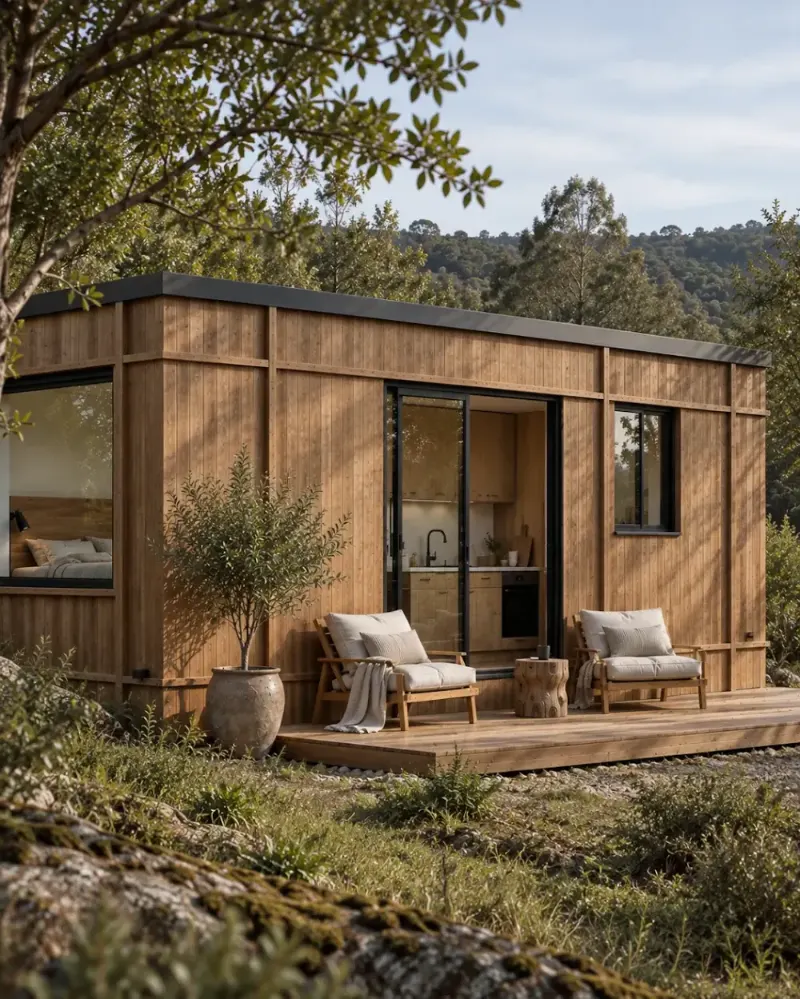
A small cabin nestled among vineyards, a few standalone units at the edge of a forest, or a collection of compact cabins overlooking the mountains.
There are many ways to develop a hospitality project without building a large hotel or accommodation complex. Modular homes offer the possibility of creating independent accommodation with different layouts and levels of equipment and finishes, using models manufactured off-site.
But before choosing the modules, there are more important decisions to make: where the project can be developed, what kind of guest experience you want to offer, and whether the investment makes financial sense.
1. Decide What Experience You Want to Offer
The first step is to think about your guests and the kind of stay you want to create.
Developing independent guest rooms within a complex with shared services is not the same as creating small, self-contained cabins for getaways in nature.
A room with a private bathroom can work well when the project includes a restaurant, breakfast service or shared facilities.
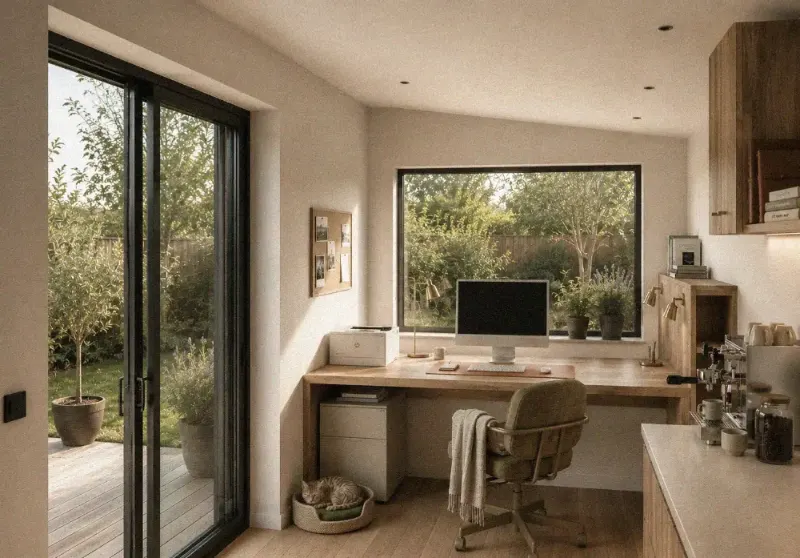
For guests looking for a more independent stay, it may make sense to include a kitchen, bathroom and living area in each unit.
The choice will depend on the concept, the length of stays and the level of independence you want to offer.
The module should fit the accommodation concept, not the other way round.
2. Check the Site's Feasibility Before Investing
This is probably the most important step in the entire project.
Just because a plot is located in an attractive natural setting does not mean it can be used for tourist accommodation.
In Spain, feasibility depends on land classification, local planning regulations, regional legislation and the type of tourism activity you intend to operate.
Not all types of tourist accommodation are regulated in the same way. A holiday rental property, a rural tourism establishment or a campsite may be subject to different requirements and procedures.
Before purchasing or committing to a plot, it is advisable to consult the local council and a qualified professional to check:
- Whether tourist accommodation is permitted on the site.
- What buildings and floor areas may be authorised.
- What planning permissions, technical projects and operating authorisations will be required.
- Whether there are restrictions on the number of units.
- What requirements apply to access and infrastructure.
Some municipalities may encourage rural tourism development, while others impose significant restrictions. What matters is the applicable regulations and whether the specific project can be authorised.
3. Design the Site Layout, Not Just the Buildings
In a project with several units, how they are arranged across the site is just as important as their interior design.
Orientation, views, the distance between units and privacy all have a direct impact on the guest experience.
It is also important to plan pedestrian routes, parking, accessibility and how utilities will be connected.
A well-considered layout can make the most of the site's natural features without occupying the entire plot.
The aim is to create a coherent setting where each accommodation unit has its own space and a meaningful connection with its surroundings.
4. Choose Modules That Suit Your Accommodation Concept
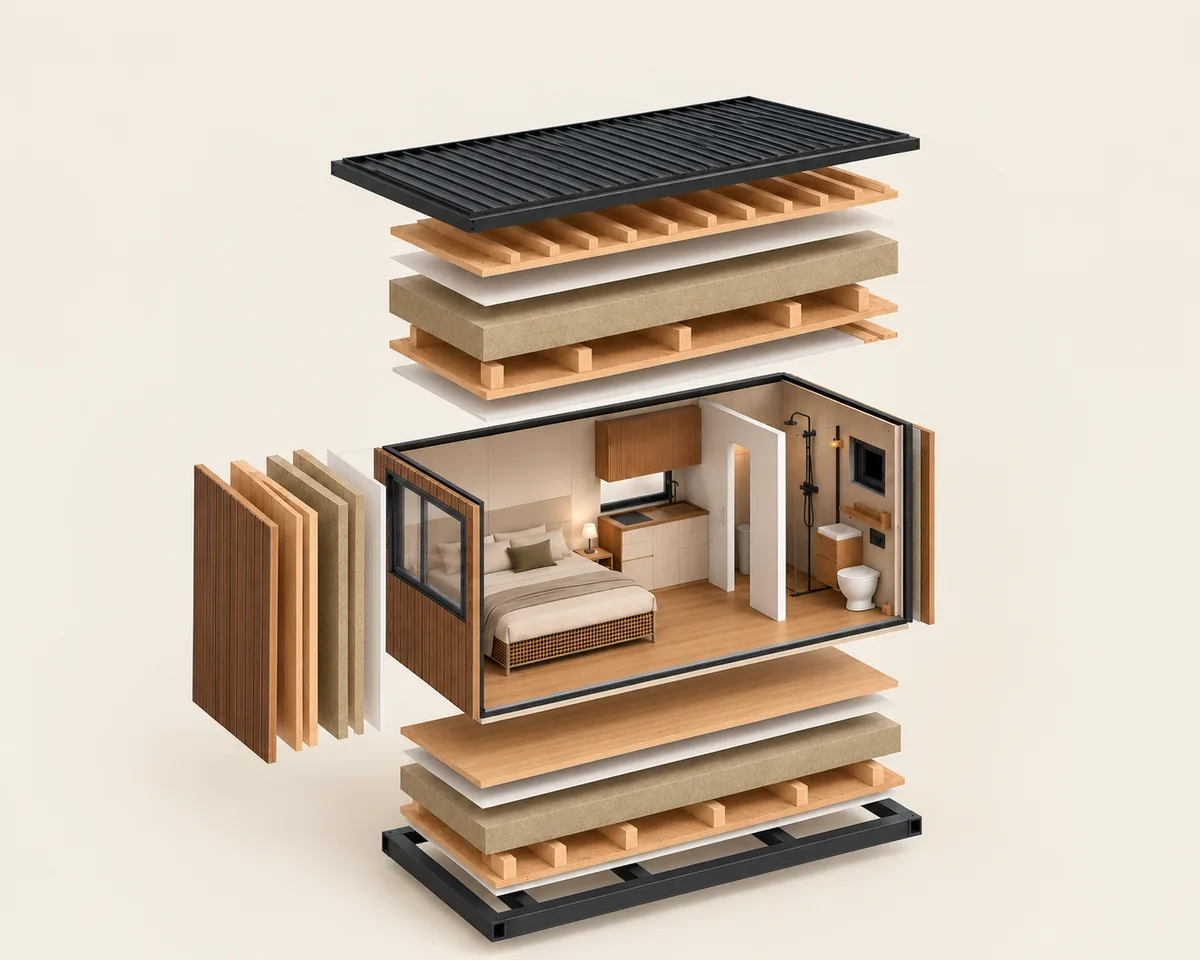
Modular construction allows you to work with previously developed designs manufactured off-site, reducing the amount of construction work required on the plot.
Different configurations can be considered depending on the type of hospitality project:
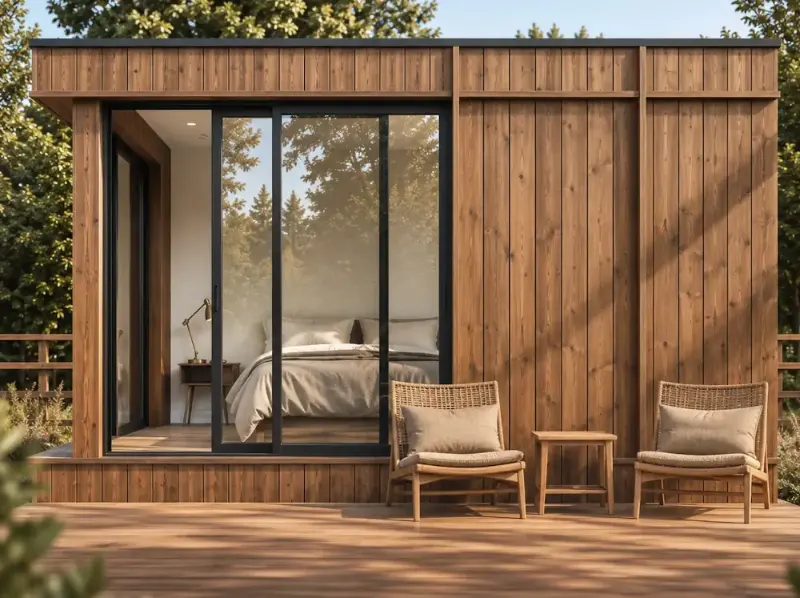
Independent guest rooms: Modules with a bedroom and full bathroom, suitable for accommodation complexes with shared services.
Self-contained studios: Units with a sleeping area, bathroom, kitchen and living space, designed for guests who prefer greater independence.
Family accommodation: Configurations with additional bedrooms and shared living areas, depending on the modular system selected.
Beyond floor area, it is important to consider thermal and acoustic insulation, ventilation, material quality and ease of maintenance.
In tourist accommodation, where units are used frequently, these factors influence both the guest experience and day-to-day operations.
5. Assess the Investment and Potential Returns
A holiday accommodation project should be approached not only from a design perspective, but also as a business.
To assess the investment, it is important to understand the full budget, including the modules, transport, installation, site preparation and the permits and procedures required to start operating.
Just as important is understanding how much revenue each unit could generate.
Expected occupancy rates, average nightly rates and operating costs can help estimate the project's potential profitability and how long it might take to recover the initial investment.
The aim is not simply to control upfront costs, but to find the right balance between investment, guest experience and long-term returns.
6. Plan for Day-to-Day Operations from the Start
A hospitality project does not end once the modules have been installed.
Ease of cleaning, durable finishes, maintenance access and utility management are all aspects worth considering from the design stage.
It is also important to think about guest arrivals, key handover, privacy, waste management and how shared spaces will operate.
Good design can help an accommodation project stand out, but the way it functions day to day is just as important for delivering a positive guest experience.
7. Consider Developing in Phases
One advantage of working with independent accommodation units is the possibility of planning a phased development.
For example, a project could begin with a small number of units, with the option to expand later as demand becomes clearer.
This approach allows you to better understand your guests, actual occupancy rates and operating costs before committing to a larger investment.
However, any potential expansion should be considered from the outset as part of the project's planning and technical development. It should not be assumed that additional units can be installed without further authorisation.
Modular Homes for New Ways of Hosting
At Caos Modular Homes, we design standalone modules and modular systems that can be combined to create different accommodation configurations.
Our Standalone collection includes models such as Capsule, an independent guest room with a full bathroom, and Open Studio, a self-contained studio with a kitchen, bathroom and living area.
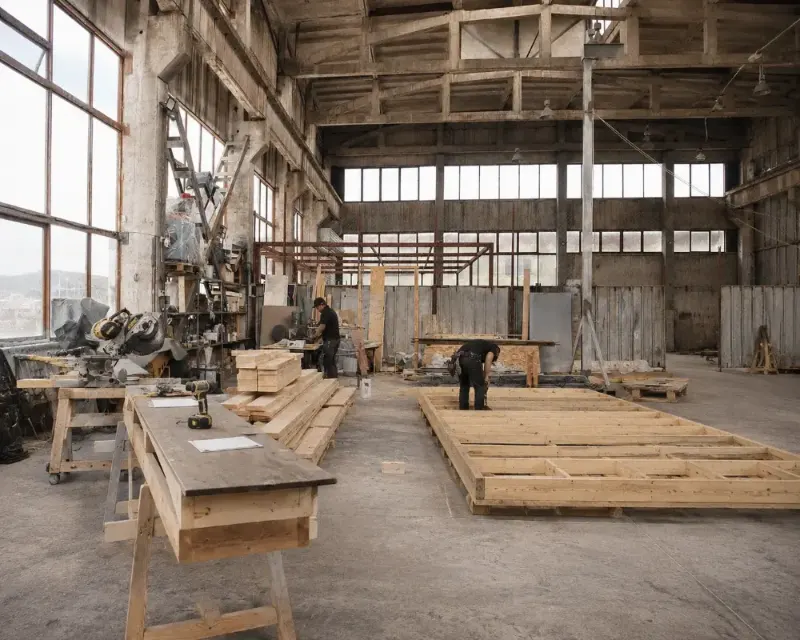
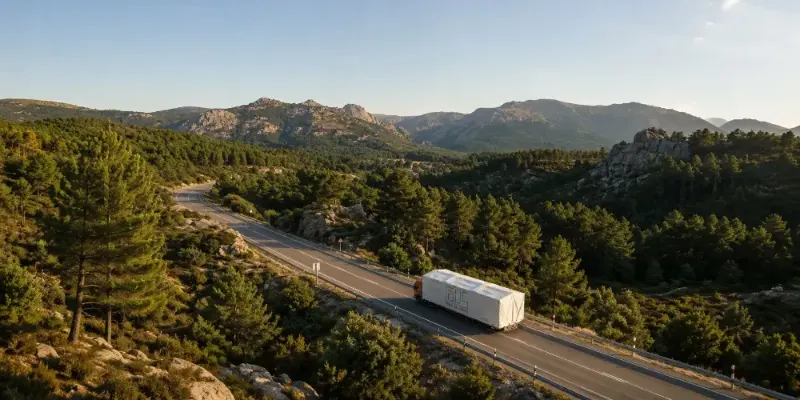
We work with standardised designs and a carefully selected range of customisation options. Our modules are manufactured and fully equipped off-site, allowing most of the construction process to take place in a controlled workshop environment before delivery and installation.
Start with the Project, Not the Module
Developing a holiday accommodation project with modular homes can open up interesting possibilities for creating independent spaces in natural settings.
But the success of the project does not depend on the design of the units alone.
The choice of site, planning feasibility, accommodation concept, investment and day-to-day operations are all decisions that need to be considered together.
First, define the experience you want to offer and where you can develop it. Then choose the spaces that best bring that idea to life.